

How a B2B Multivendor Marketplace Actually Works
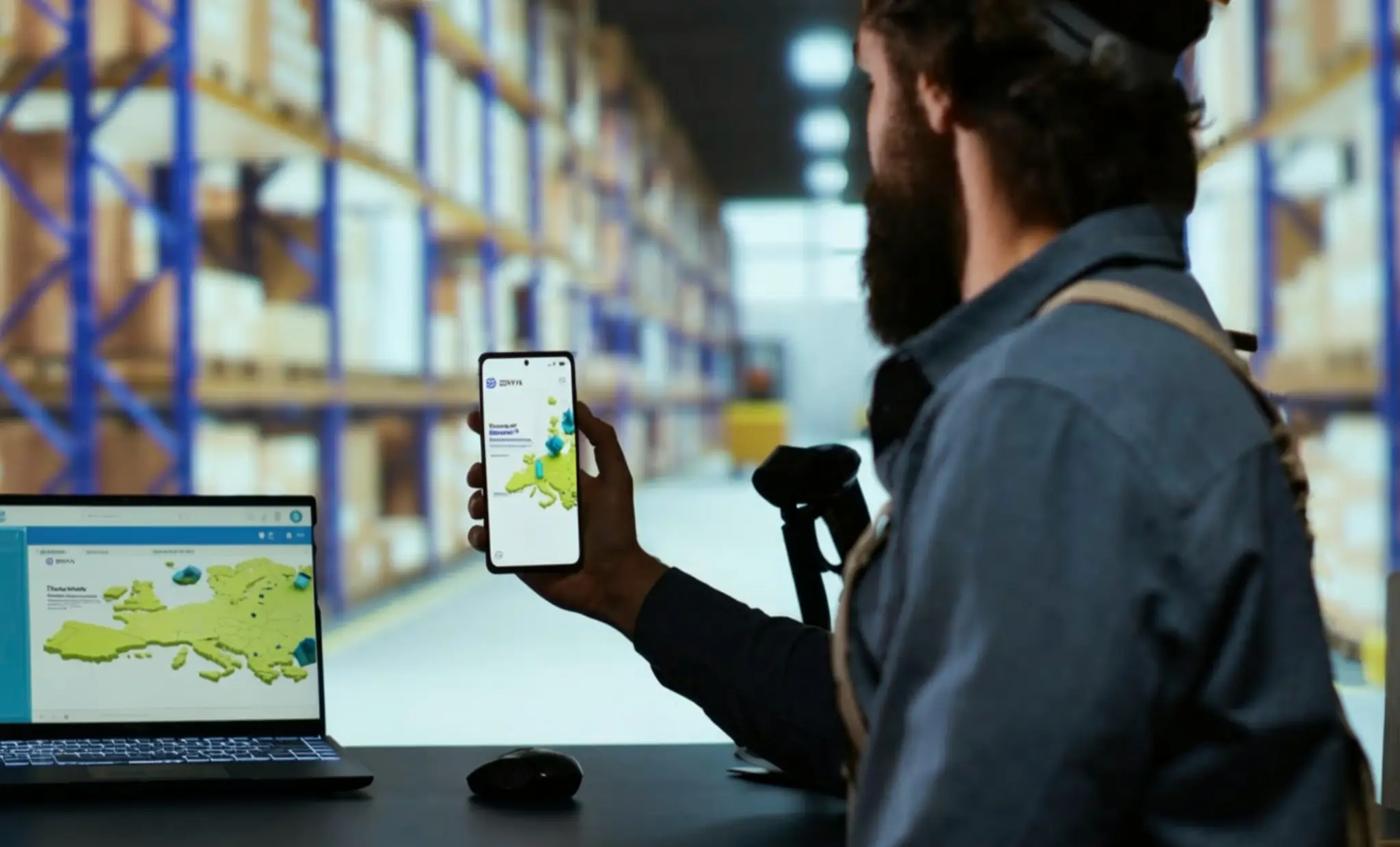
A well-built b2b wholesale marketplace like Alibaba, Amazon and zryya etc brings suppliers, product data, logistics, payments, and communication into one environment, so the order moves at the pace of the platform, not the pace of the slowest email reply.
Here’s how that plays out, step by step.
Step 1: Suppliers Are Verified Before They List
Before a single product goes live, suppliers go through verification. Business registration checks. Production capability reviews. Export history validation. Compliance documentation screening.
The result: buyers only deal with verified wholesale suppliers. Not unknown vendors with zero transparency.
Step 2: Multiple Suppliers Compete in the Same Category
This is where the multivendor model earns its name. Buyers compare offers from several suppliers in one category at the same time. Pricing, MOQ, lead times, compliance status, and specs. All displayed together.
It’s comparison shopping, built for wholesale.
Step 3: Buyers Get Complete Information, Upfront
Traditional sourcing means emailing back and forth just to get basic product details. A structured marketplace skips that step. Specifications, packaging, country of origin, certifications, and volume pricing sit right on the listing.
Buyers move from research to decision with confidence. Not guesswork.
Step 4: RFQs Without the Chaos
Need custom packaging, private label options, or a non-standard quantity? A buyer submits one RFQ through the platform. Responses from multiple suppliers land in one dashboard. Not five separate inboxes.
Step 5: Payment and Logistics, Built Into the Order
The strongest platforms don’t stop at product discovery. They fold freight coordination, customs documentation, and flexible payment terms, like CAD (Cash Against Documents), L/C (Letter of Credit) or BNPL (Buy Now Pay Later), right into the sourcing workflow.
Buyers aren’t left coordinating a separate logistics relationship on top of everything else.
Across all five steps, the outcome is the same: sourcing that’s faster and more transparent. Less friction between “I need this product” and “it’s on its way.”
What This Means for Wholesale Buyers in Europe

For EU and Balkan buyers specifically, this model solves problems that global, generalist platforms were never built to address. Wholesale Europe sourcing has its own rulebook, and a marketplace built around it changes what’s possible for buyers across food & drink, fashion & accessories, beauty & wellness, and home & kitchen categories.
European buyers operate under real regulatory complexity: EU food safety standards, REACH compliance for textiles and fashion, and the EU Cosmetics Regulation for beauty products. A marketplace built specifically for European B2B trade integrates that compliance status directly into supplier listings, so buyers know whether a product is EU-compliant before they start a conversation, not after they’ve already placed a deposit.
That single design choice removes the biggest risk in cross-border EU sourcing: discovering a compliance problem only after the goods have shipped. And it’s exactly why buyer confidence is rising even for large wholesale purchases when the platform delivers real structure, verified suppliers, and visible compliance information.
What to Look for in a B2B Multivendor Marketplace
Not every platform that calls itself a B2B marketplace delivers the same value. As more businesses move toward digital sourcing, here’s the checklist worth applying before you commit to one:
- Supplier verification – Is every supplier pre-qualified, or can anyone list?
- Listing depth – Does every product show MOQ, lead times, compliance status, and pricing tiers upfront?
- RFQ workflow – Can you submit a quote request once and receive multiple offers in one place?
- Integrated logistics – Can freight be quoted at checkout, not through a separate relationship?
- Payment instruments – Are trade finance options like Letter of Credit and BNPL available natively?
- EU compliance support – Is compliance status visible on the listing, or left for you to chase down?
A platform that delivers on all six gives buyers something no directory or fragmented sourcing process ever could: certainty before commitment.
The Future of Wholesale Buying Is Already Here
Procurement shouldn’t feel like detective work. If your team is still chasing quotations, verifying certificates over email, comparing spreadsheets, and coordinating freight manually, the problem is not your team. It’s in your process.
The same process that used to take two weeks now takes two days.
This isn’t a future prediction; it’s how wholesale vendors and buyers across Europe are already trading today, and the shift toward structured multi-vendor b2b platform models is only accelerating.
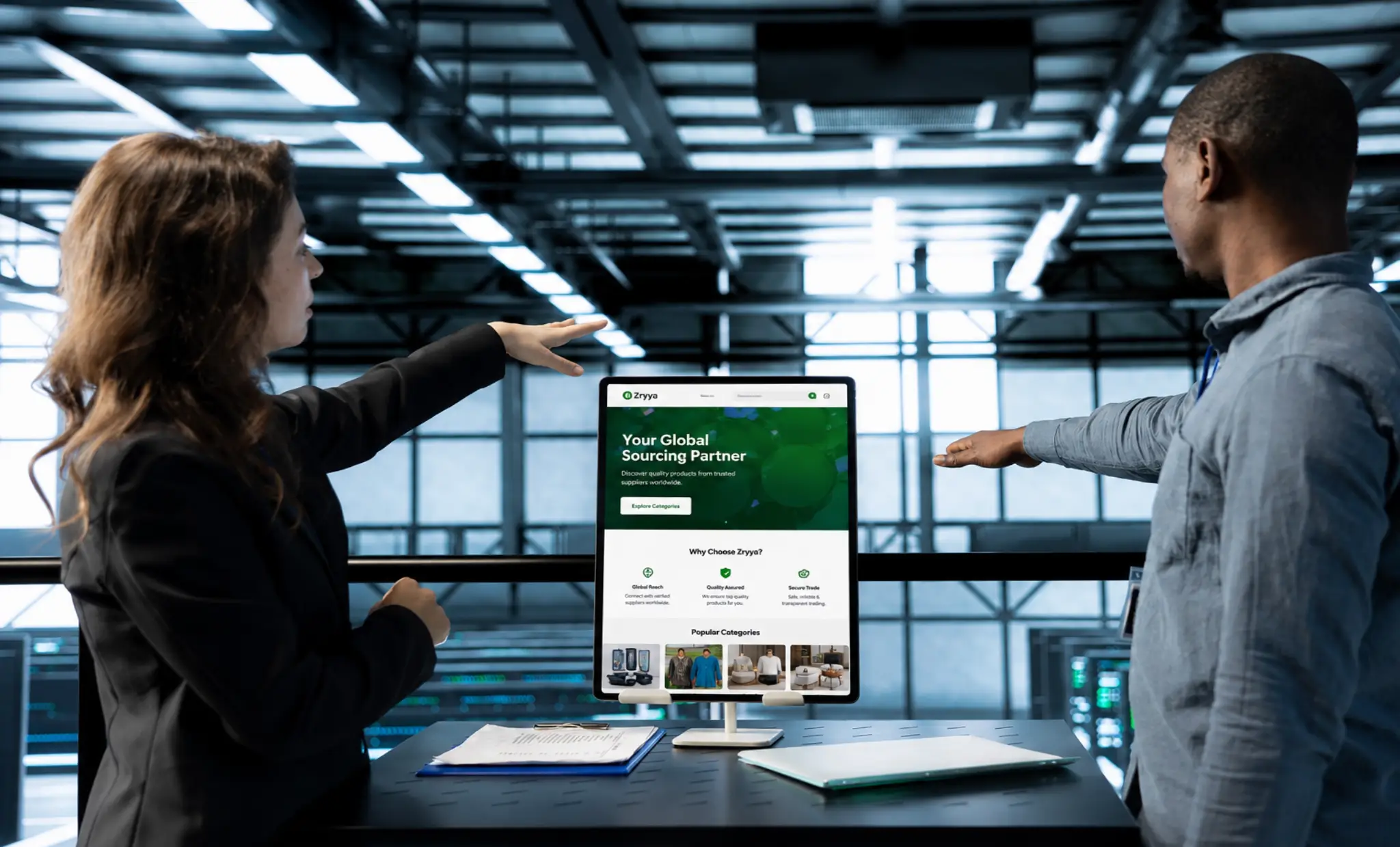
zryya is built specifically for this model. EU and Balkan buyers can source across food, fashion, home textiles, and beauty through one structured b2b online marketplace – cash and carry or RFQ, ready stock or custom order – with compliance, logistics, and payments connected on a single platform.