

You found a wholesale supplier online. The prices looked good. The product photos looked professional. You placed the order. Three weeks later, the shipment showed up wrong. Wrong packaging. Missing paperwork. Products that didn’t match what was listed.
This isn’t a rare story. It happens to buyers on every continent, every week. In most cases, the reason is the same. The supplier was never properly verified before the order went out.
Finding the right wholesale suppliers isn’t just about price. It’s about knowing who you’re actually buying from before money changes hands.
The numbers back this up. According to the U.S. International Trade Administration, the global B2B ecommerce market is on track to grow at roughly a 14.5% compound annual rate through 2026, with Asia-Pacific alone expected to hold about 80% of that market share.
As wholesale trade goes digital everywhere, buyers are moving toward faster sourcing models built around verified wholesale suppliers on centralised procurement platforms, not scattered wholesale vendors and cold outreach.
Why Supplier Verification Matters More Than Price
Most buyers look at the price first. That makes sense. Freight and import costs are already high, and margins are thin.
But buying from unverified suppliers brings problems bigger than the money saved. Whether a supplier is reliable, whether their products meet quality standards, and whether they meet the import rules of your destination market are the biggest risks buyers face today, no matter where they ship from or where they sell.
Here’s what goes wrong with unverified suppliers:
- Products arrive without the labelling or technical documentation customs authorities require
- Shipments get held at a border, port, or customs office pending inspection, or get rejected outright
- Lead times stretch without warning, disrupting delivery windows promised to retail or distribution partners
- Suppliers become unreachable after payment, with no local recourse
- Delivered product quality doesn’t match the approved sample, creating liability with your own customers
Whether you import into the United States, the European Union, the United Kingdom, the Gulf states, or anywhere else, a single non-compliant shipment can trigger a customs hold, a product recall, or a fine. That’s not just a delayed delivery; it’s a hit to your reputation with buyers downstream.
The good news: these problems are avoidable. Buyers who check a supplier’s documents, certificates, and quality records before placing an order rarely run into them.
What Makes a Wholesale Supplier “Verified”

The word “verified” gets thrown around loosely. A supplier calling itself “verified” on their own website means nothing. Real verification comes from a third party. A platform, an auditor, or a trade body checks and confirms the following.
Business registration
The company is legally registered and operating in the country they claim.
Production capability
They can actually produce what they list, in the quantities they advertise.
Export history
They have a record of completed international shipments. Not just listings.
Compliance documentation
Their products meet the regulatory standards of your destination market.
Product certifications
Any certifications required for the product category are valid, current, and issued by an accredited body.
When a B2B supplier checks all five boxes, that’s a reliable, properly verified business. Missing even one is a warning sign. Keep looking.
Every supplier on zryya is verified against all five before their first listing goes live. Want to see what verified wholesale sourcing actually looks like?
5 Ways to Find Verified Wholesale Suppliers Worldwide
Buyers today have access to thousands of wholesale vendors online. Access doesn’t mean trust.
To avoid delays, compliance issues, and unreliable suppliers, you need a smarter approach to verification. Here are the five most effective ways to find verified wholesale suppliers, wherever you’re sourcing from or shipping to.
1. Use a Structured B2B Wholesale Marketplace
This is the most reliable method for buyers in 2026, in any region. Modern buyers expect the same speed and transparency they get in B2C shopping: instant pricing, structured product information, and fast comparison across suppliers.
A structured B2B wholesale marketplace verifies suppliers before listings go live. Suppliers pass business checks, export validation, and compliance screening before they ever appear on the platform.
The multivendor model makes sourcing transparent. When several verified wholesale suppliers sit in the same category, you compare real pricing, product options, MOQs, and lead times in one place. No lengthy back-and-forth needed.
No cold emails. No waiting weeks for a reply. No guesswork.
Platforms built for cross-border wholesale trade take it further. Supplier onboarding aligns with the import requirements of major destination markets from day one, so buyers browse suppliers already screened for the markets they sell into.
2. Check Global Trade Directories and Chambers of Commerce
Trade directories, industry associations, and chambers of commerce list suppliers and manufacturers across nearly every country. They’re useful for discovery: exploring categories, comparing regions, and building a shortlist.
But directory listings alone don’t guarantee credibility. Most work as open databases where businesses create listings with little to no verification. Treat a directory as a starting point, not a stamp of approval, and verify any supplier independently before you place a wholesale order.
3. Request Documentation Before Placing Any Order
Reliable wholesale suppliers are always transparent about their business operations and compliance readiness, regardless of where they’re based.
Before moving forward, buyers should request:
- Business registration certificates
- Product test reports from accredited laboratories
- Export history or buyer references
- Compliance certificates relevant to your destination market and product category
Verified suppliers treat documentation as standard practice. If a supplier hesitates to share it, take that as a serious warning sign.
4. Check Compliance Readiness for Your Destination Market
Every buyer needs suppliers whose products already meet the regulatory requirements of the market they’re selling into, not suppliers planning to fix compliance later.
Requirements differ by region. US buyers need products that meet FDA, CPSC, or FCC rules depending on category. EU buyers need compliance with regulations like the Cosmetics Regulation, the Textile Regulation, or the Food Information to Consumers rules. UK buyers work under UKCA marking post-Brexit. GCC and broader Middle East markets often require Gulf conformity certification. The details change by destination; the principle doesn’t.
The best wholesale suppliers keep the relevant documents ready for each market because they understand where their goods are actually headed.
5. Start With a Small Trial Order
Even with a verified supplier, your first order should be smaller than your target volume. This isn’t about distrust. It’s standard practice for wholesale suppliers for resellers entering a new supplier relationship, anywhere in the world.
A trial order lets you check production quality, lead time accuracy, packaging, and documentation before you commit to full volume. If everything matches what was agreed, scale up with confidence. If it doesn’t, you’ve limited your exposure.
Sustainability Is Becoming Part of Supplier Verification

Buyers in 2026 are no longer evaluating suppliers on price and delivery capability alone, regardless of where they’re based.
Sustainability and ethical sourcing are becoming part of wholesale procurement decisions across every major market, from North America to Europe to Asia-Pacific.
Retailers increasingly ask suppliers where products are made, how materials are sourced, and whether manufacturing processes meet environmental and ethical standards.
When evaluating wholesale suppliers, buyers should also request:
- ESG or sustainability certifications
- Ethical production documentation
- Material sourcing transparency
- Environmental compliance information
For many retailers, supplier transparency is no longer optional. It’s becoming a standard part of long-term supplier qualification, no matter which market they sell in.
The Fastest Way to Reduce Sourcing Risk in Global Trade
Sourcing from unverified suppliers isn’t a cost-saving strategy. It’s a risk that regularly costs buyers time, money, and credibility with their own customers, whether they’re sourcing across one border or several.
The buyers who source well in 2026 aren’t the ones who found the lowest price. They’re the ones who found verified suppliers on platforms built around verification, where compliance, documentation, and supplier credentials are checked before any listing goes live.
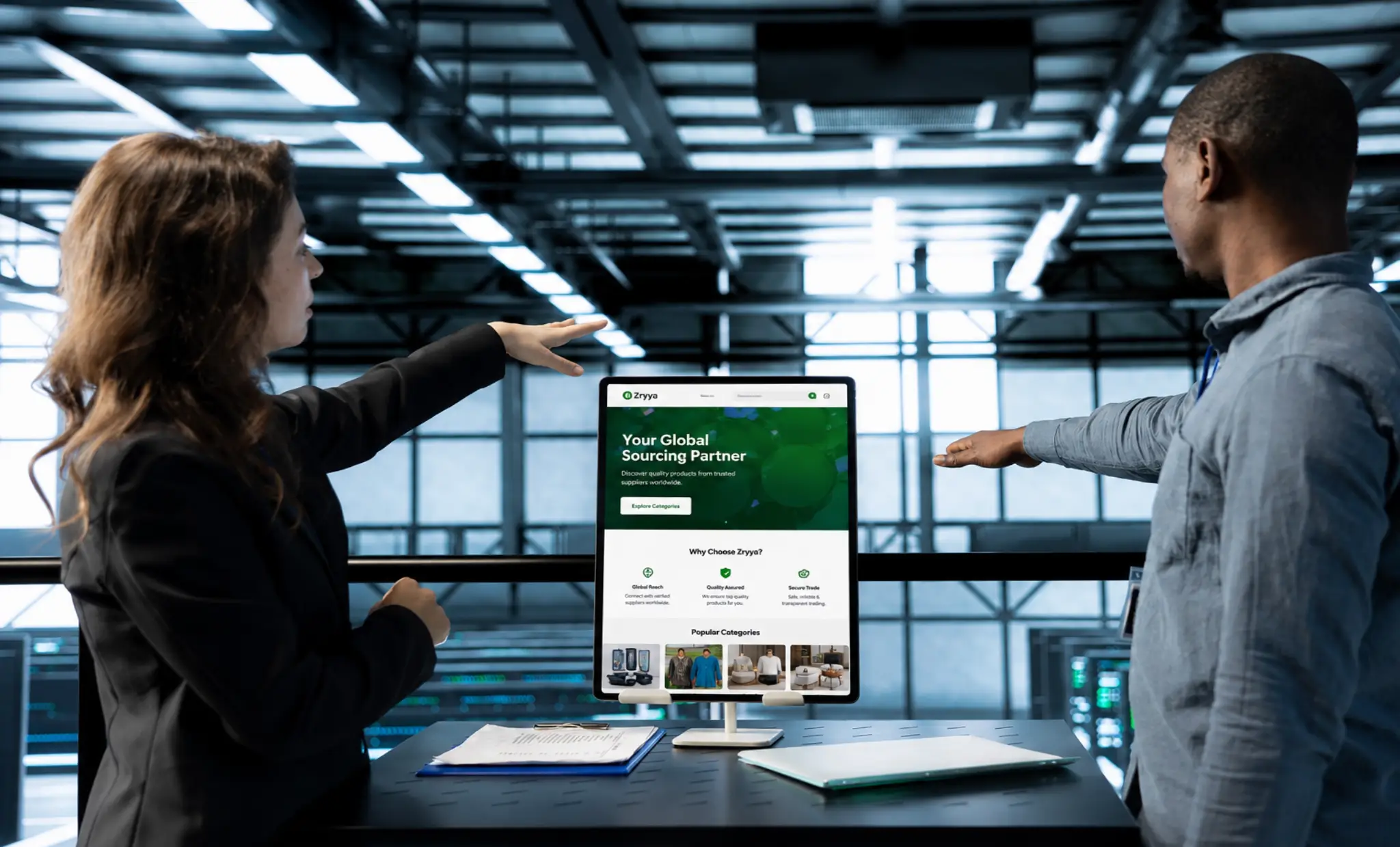
Zryya is built for this. Buyers access verified B2B wholesale suppliers across food, fashion, home textiles, and beauty, with compliance status, MOQ, lead times, and pricing visible on every listing.
- No cold emails. No chasing documents. No surprises at customs.
- Just verified wholesale suppliers, ready to trade, wherever your business operates.