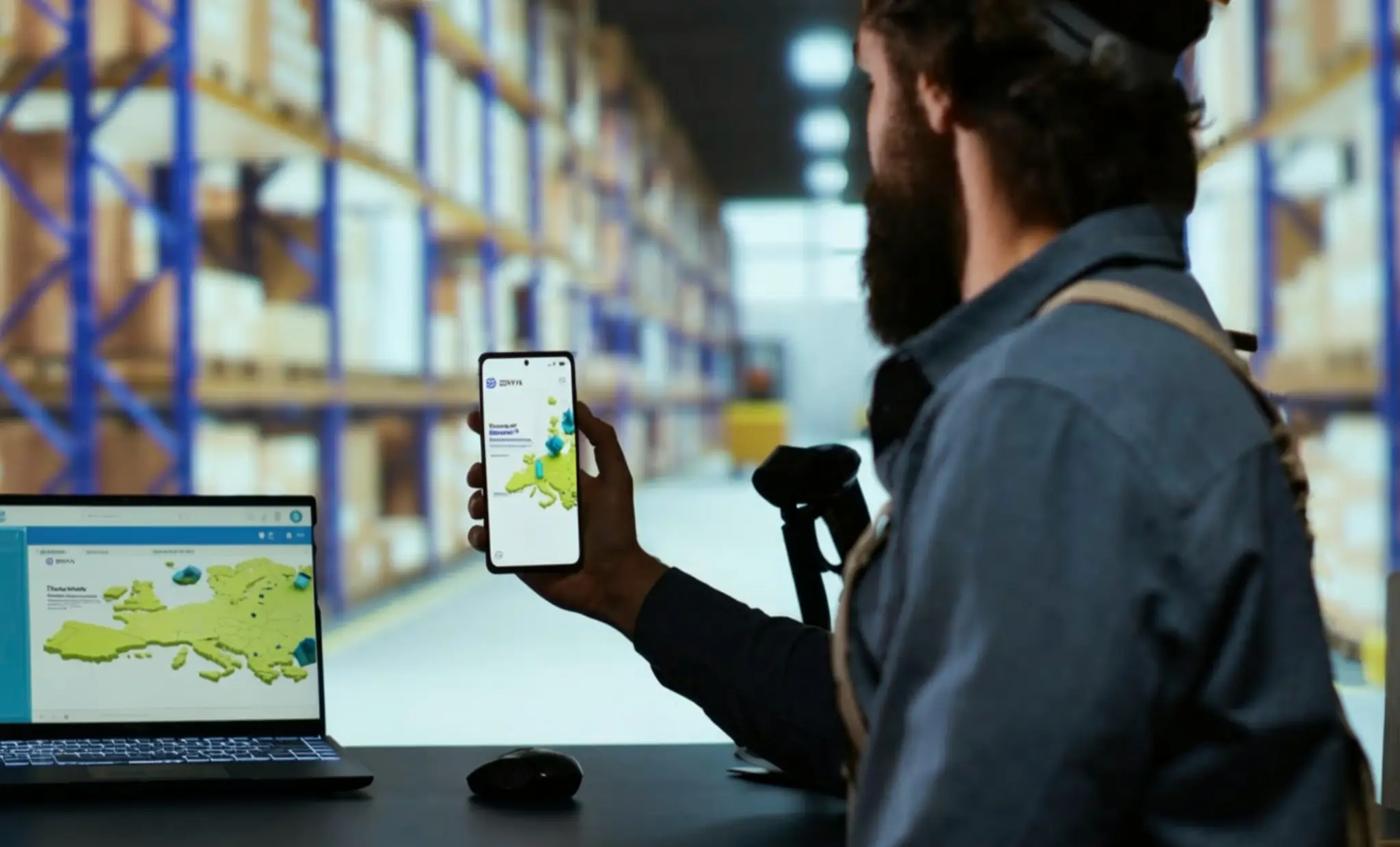


Trend 4: Multi-Category Sourcing Is Replacing Fragmented Procurement
Wholesale buyers have traditionally managed separate sourcing relationships across different product categories.
Food suppliers operated separately from textile suppliers. Cosmetics sourcing involved different platforms, different payment processes, and different logistics coordination. That fragmentation creates operational pressure.
Procurement teams waste significant time managing:
- Multiple supplier conversations
- Disconnected logistics workflows
- Repeated verification checks
- Separate payment coordination
- Fragmented sourcing systems
But buyers are now moving toward consolidated sourcing environments where multiple categories operate inside one workflow.
Businesses sourcing across food, fashion, beauty, and home products increasingly want one structured environment instead of rebuilding trust and verification processes repeatedly.
The platforms growing fastest worldwide are those supporting:
- Multi-category sourcing
- Centralised supplier management
- Integrated logistics
- Unified procurement workflows
Trend 5: Logistics Visibility Is Now Expected
Two years ago, many wholesale buyers accepted limited shipment updates after placing an order.
That expectation has changed. Wholesale buyers now expect real-time logistics visibility throughout the procurement process.
They want to know:
- Where shipments are
- When customs clearance happens
- Whether documentation is complete
- When delivery is scheduled
- Whether delays are expected
This expectation comes partly from consumer ecommerce experiences and partly from the financial impact of delayed wholesale shipments. For high-value B2B trade, logistics problems create operational disruption quickly.
A delayed shipment does not just affect inventory. It can affect:
- Retailer stock levels
- Seasonal product launches
- Customer fulfillment
- Supplier relationships
- Cash flow timing
In response, wholesale buyers are increasingly seeking logistics services built into a supplier’s sourcing process rather than outsourced through separate freight coordination.
Trend 6: AI Is Starting to Reshape Procurement Decisions
AI is one of the biggest emerging trends in B2B ecommerce worldwide.
AI-powered procurement systems can boost supplier discovery, automate compliance checks, compare pricing structures, and reduce delays in procurement. More businesses are using AI to find the right suppliers, automate compliance controls, analyse pricing, and cut sourcing delays.
Instead of manually reviewing hundreds of suppliers, procurement teams can now use AI-driven systems to identify qualified suppliers faster based on:
- Product category
- Export history
- Compliance readiness
- Pricing structure
- Production capability
AI is also improving:
- Document verification
- RFQ workflows
- Procurement automation
- Supplier risk monitoring
- Sourcing analysis
This does not remove human decision-making from wholesale sourcing. Instead, it lets procurement teams spend less time on repetitive administrative work and more time on strategic supplier relationships and negotiation. As AI adoption grows globally, procurement speed and sourcing intelligence are becoming competitive advantages.
Sustainability Is Becoming Part of Wholesale Procurement

Buyers around the world now look beyond pricing and delivery timelines when evaluating suppliers.
Sustainability and ethical sourcing are becoming increasingly important across global wholesale trade.
Retailers now ask suppliers:
- Where products are manufactured
- How materials are sourced
- Whether production meets environmental standards
- Whether ethical sourcing practices are documented
As a result, supplier transparency is becoming part of long-term supplier qualification.
Buyers increasingly request:
- ESG certifications
- Sustainability documentation
- Ethical production standards
- Environmental compliance records
This trend matters for any business supplying retail markets where customers expect sourcing transparency, whether they sell in North America, the Gulf, Southeast Asia, or Latin America.
What These Trends Mean for Wholesale Businesses Worldwide
Together, these trends show how global wholesale trade is changing.
Wholesale buyers no longer want sourcing, compliance, logistics, and payments managed across disconnected systems and supplier relationships.
Instead, they want:
- Faster sourcing
- Structured procurement
- Verified suppliers
- Integrated payments
- Compliance transparency
- Centralised logistics visibility
The direction of global wholesale trade is becoming clear. The businesses adapting fastest are simplifying procurement, reducing sourcing friction, and building more structured digital trade environments.
The businesses still relying on fragmented sourcing processes risk falling behind competitors already operating through modern B2B ecommerce systems.
zryya is built around these changes, helping buyers source from verified suppliers with integrated logistics, compliance visibility, structured sourcing workflows, and multi-category procurement support.