


Your shipment has landed at Rotterdam. Your supplier didn’t state that you needed an allergen test report, and Customs does require it. Goods in the bonded warehouse, with increasing cost for storage fees. Sound familiar? The best approach to preventing it is to find suppliers that can comply with EU standards. According to the McKinsey 2020 report, supply chain disruptions cost businesses an average of 45% of one year’s profits over a decade. Documentation at the border is a big contributor to that loss.
So how do you separate genuinely EU-compliant suppliers from ones that only claim to be?
The answer sits in a structured process. You must be familiar with the rules for your category. Do not rely on promises; you need proof. And you need supplier verification built into sourcing from day one.
What Makes a Supplier EU-Compliant?
An EU-compliant supplier meets EU regulations, not just the laws of their own country. Thousands of buyers rely on this standard every year.
A factory may be entirely certified in Turkey, as well as Pakistan and South Korea. Its products can still be illegal to sell in the EU. Compliance must be verified before the sale and is typically the importer’s responsibility.
The core requirements differ by category. Here are the big three for wholesale buyers.
Food and Beverage Requirements
Food products entering the EU must meet FIC Regulation 1169/2011 on labelling. Allergens, nutrition tables, ingredients list, and language requirements for the destination market.
For many categories, laboratory testing is required, and there will be a need for traceability records by suppliers. Request more recent lab reports before ordering! Not after the shipment leaves port.

Cosmetics and Beauty Requirements
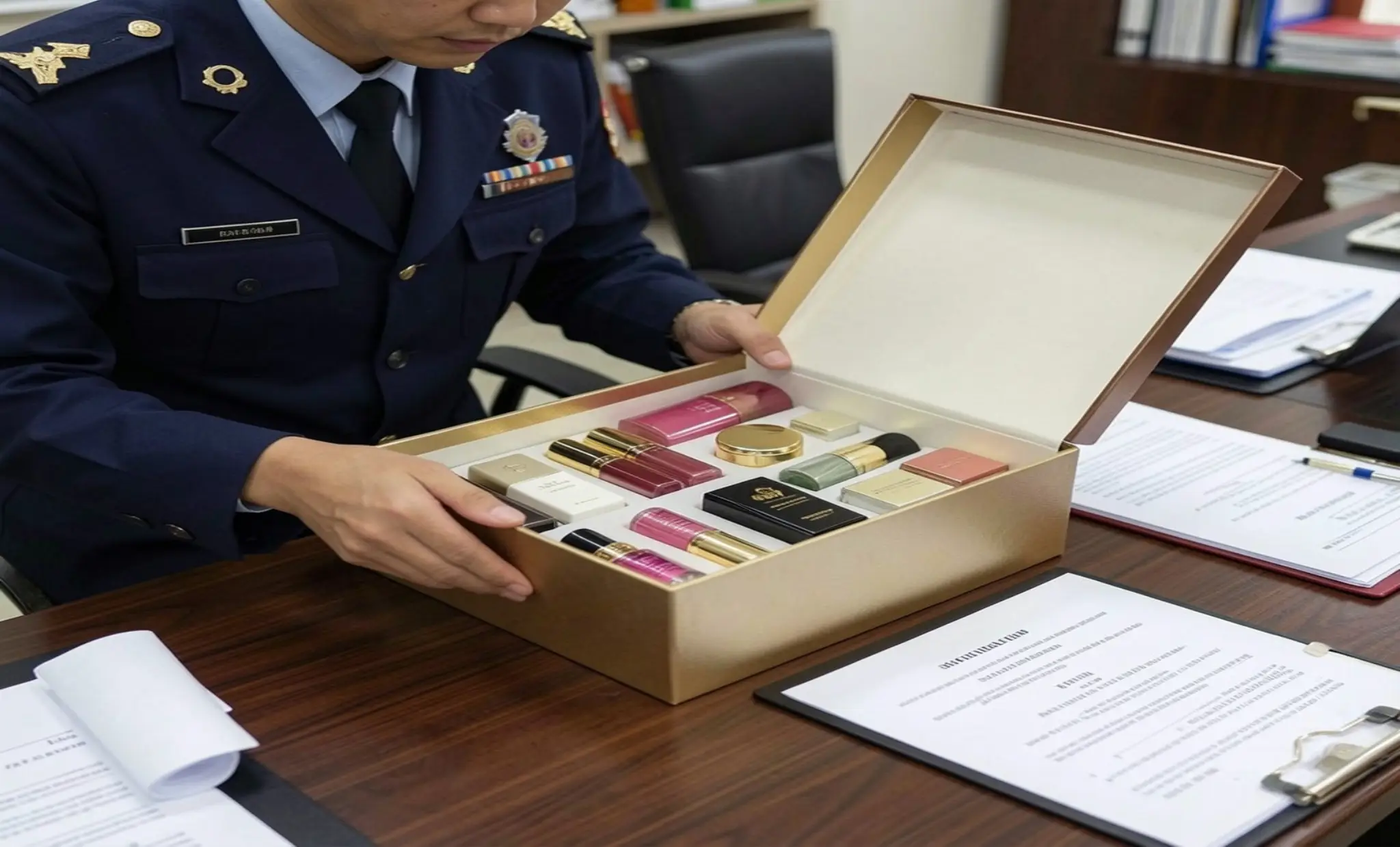
The EU Cosmetics Regulation 1223/2009 requires every product to have a named EU-based responsible person. It also entails an accompanying product information file and notification via the CPNP portal.
A supplier who can’t identify a responsible party for the arrangement is not ready for the EU market. One of the most common reasons for rejection of beauty shipments is this.
Textiles and Fashion Requirements
Fibre composition is regulated by Textile Regulation 1007/2011. Some restrictions apply to REACH, such as azo dyes, some phthalates, and heavy metals.
Suppliers should have test reports from an accredited laboratory. While OEKO-TEX certification is a good supporting signal, it is not a substitute for REACH obligations.

Why Supplier Verification Beats Self-Declared Compliance
Most sourcing platforms do have a checkbox which indicates that the supplier is ‘EU compliant’. This box is of no value at customs.
Real supplier verification – companies register before they are listed, check the exports, conduct factory visits, and inspect compliance paperwork. It separates verified credentials from marketing claims.
Between the two lies the import risk. A self-declared supplier is easy on the budget and is hard on the wallet. A verified supplier is a little more expensive in the beginning, but it eliminates the most costly failure mode in cross-border trade.
There is a simple test. Request any future supplier’s latest report on a 3rd party inspection. Observe the speed at which the response comes, and the way that it comes.
7 Steps to Find EU-Compliant Suppliers
The following is a repeatable process which any procurement team can adhere to. It can be used in food, fashion, home textiles, and beauty products.
Step 1: Map the Regulations for Your Category
Write down all regulations your product comes into contact with before contacting anyone. Labelling rules. Substance restrictions. Certification requirements. The product certification Europe requirements differ significantly from product to product, and do not use an existing checklist which was used for a different product.
Access2Markets from the European Commission provides a list of import conditions according to product codes. Start there.
Step 2: Source Through Verified Channels
Focus on platforms/websites that perform supplier verification before listing. Vetted exhibitors are also a good way to go at a trade fair. Do not use open directories with unverified directories as your first choice.
Thousands of buyers benefit from avoiding weeks on the ground by beginning their search for European and overseas wholesale suppliers within a vetted pool. The shortlist is thinner, but each member on it is a guy who can deliver.
Step 3: Ask to receive the Compliance File from Upfront
Don’t request documentation upon confirmation of the order. A serious EU-compliant supplier will not hesitate to provide test reports, certificates, and declarations of conformity without hindrances.
Hesitations are not about “lacks of data,” but rather “data.” Please be aware that suppliers that stall out on the paperwork before they sell don’t improve after they get paid.
Step 4: Verify the Documents Themselves
It’s possible to forge certificates, make them expire or issue certificates for a different product altogether. Inspect dates and area of coverage. Verify the testing laboratory is accredited. Check the certificate holder against the legal entity you’re purchasing from.
The third-party compliance services can also perform this check for a small fee. The cost of an order is very low and negligible when compared to the risk if the order is high value.
Step 5: Commission a Pre-Shipment Inspection
Documents ensure that the supplier is able to deliver conforming products. This batch is verified to meet the requirements in accordance with the inspection. This is not to be confused with the two.
The pre-shipment inspection will ensure that the product is of the same quality as your specification and that quantities, packaging, and labelling have been checked. It is recommended to use batch-level lab testing when required by the regulation for food and cosmetics.