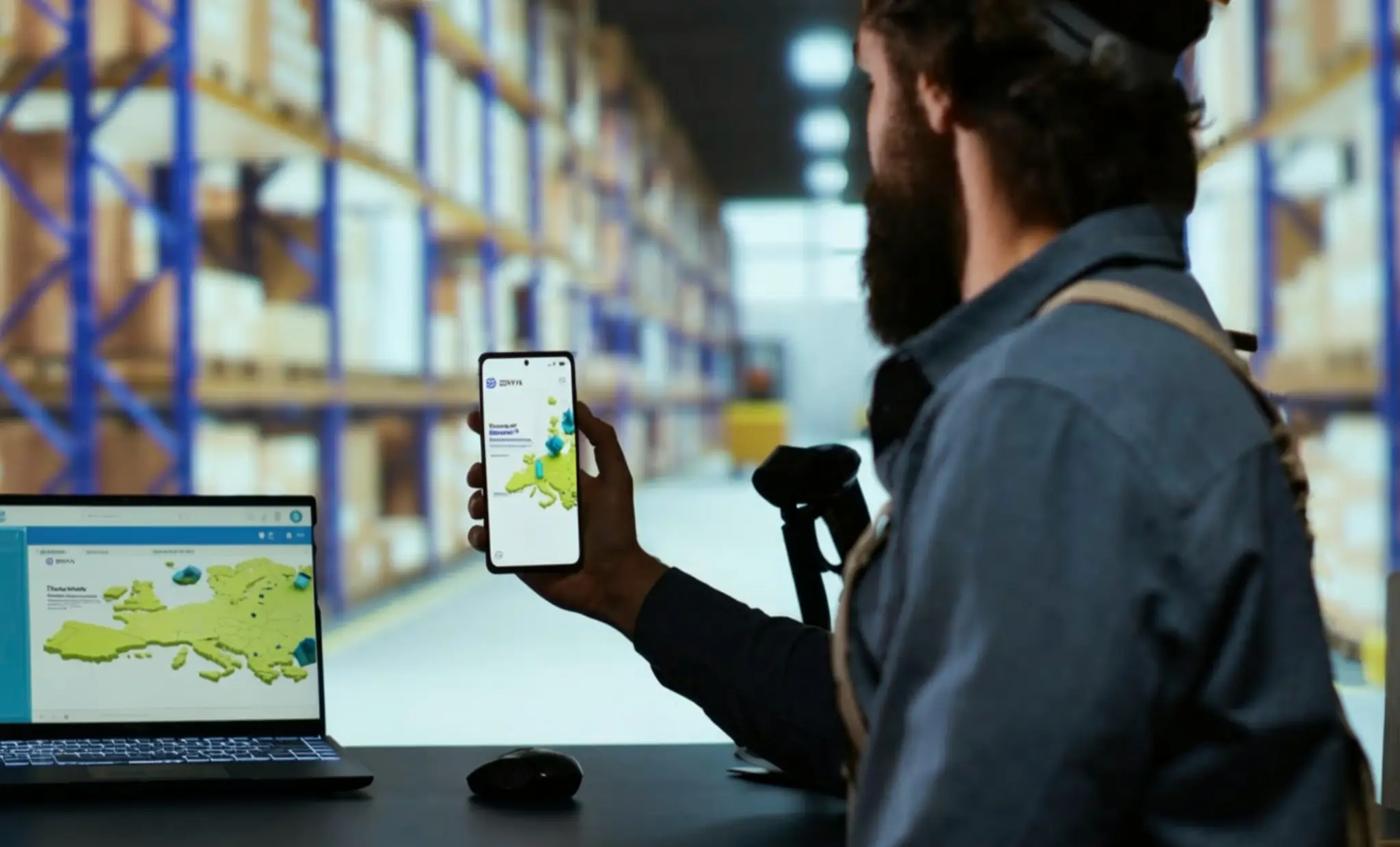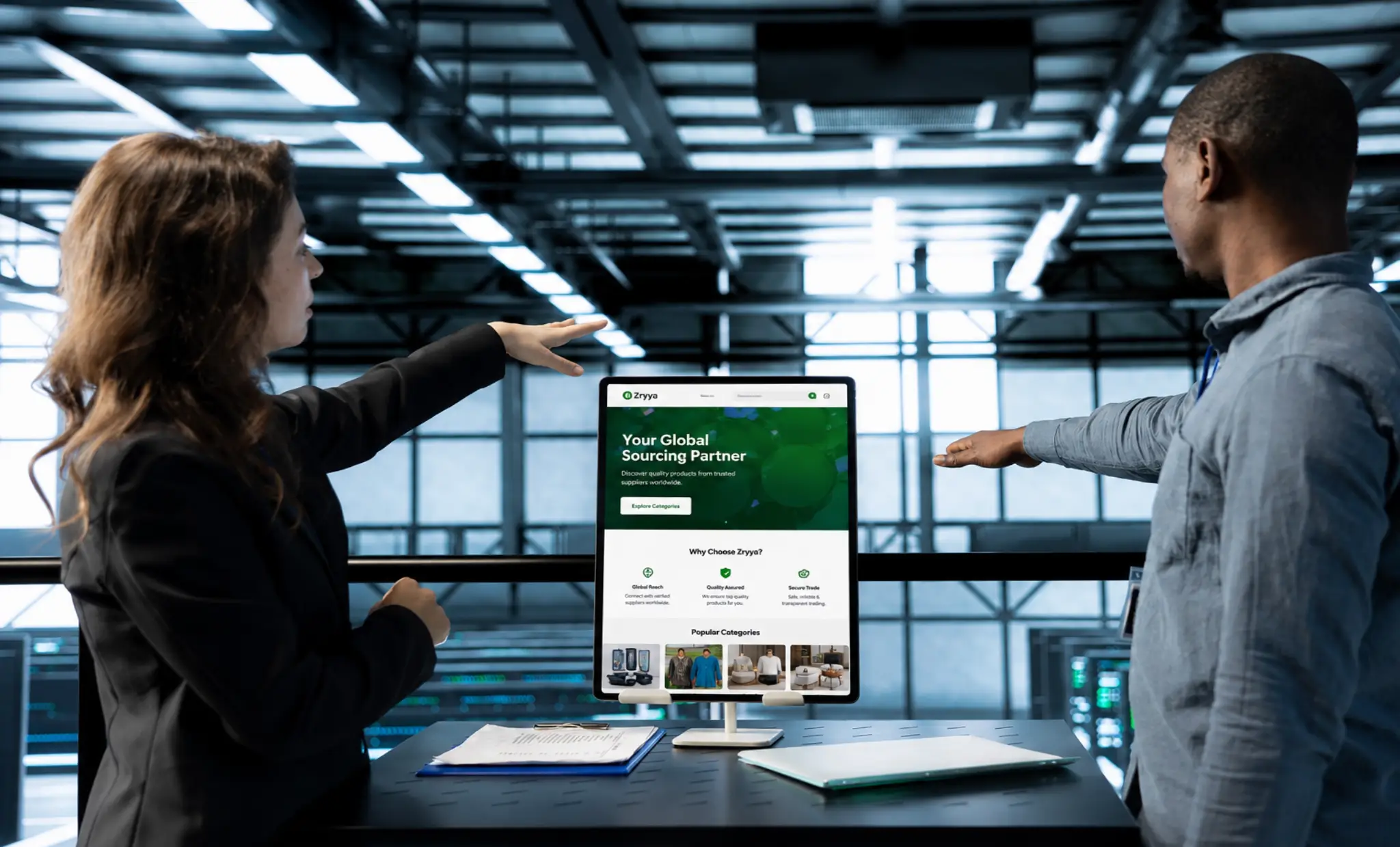


Do you know a single missing compliance document can leave a shipment stuck at customs for days, and a supplier update that arrives too late can throw inventory planning off for weeks?
These are common challenges for EU wholesale buyers managing cross-border sourcing, and they often happen because critical information is spread across multiple systems and communication channels.
As supplier networks grow and cross-border trade becomes more complex, many procurement teams are finding that spreadsheets, emails, and disconnected systems are no longer enough. This is why more wholesale buyers are moving to end-to-end trade platforms. Instead of managing sourcing, compliance, logistics, and payments separately, they can handle everything through one connected system.
The shift is happening alongside the rapid growth of European B2B commerce. With Europe’s B2B e-commerce market projected to exceed $1.8 trillion by the end of 2025, businesses are looking for faster and more efficient ways to manage procurement.
Let’s explore what end-to-end trade means in practice and why it is becoming an important advantage for EU wholesale buyers.
The Reality of EU Wholesale Sourcing in 2025
European wholesale trade is growing fast. Businesses across Europe are buying and selling online at a scale that would have been difficult to imagine just a few years ago. As companies work with more suppliers across more markets, procurement teams are handling greater compliance requirements and increasingly complex supply chains.
What used to be manageable with a few spreadsheets and email threads is becoming much more difficult to coordinate. Yet many businesses still rely on disconnected systems to manage sourcing and procurement, making it harder to keep track of information and respond quickly when issues arise.
By the time a problem is identified, the shipment may already be delayed, or the order may already be at risk, causing serious financial disruption as well. This is the reason more businesses are moving towards end-to-end trade platforms that bring sourcing, supplier management, compliance, and logistics together in one place.
As businesses prepare for 2026, the way procurement teams work is changing. Buyers want quicker access to information, better visibility into orders, and fewer delays caused by disconnected processes. Relying on spreadsheets, email chains, and separate systems is becoming increasingly difficult in a fast-moving wholesale environment.
What End-to-End Trade Actually Means
“End-to-end trade” is a term that gets used often, but at its core, it simply means managing the entire sourcing journey through one connected platform.
From finding suppliers and requesting quotations to handling compliance documents, coordinating shipments, processing payments, and confirming delivery, everything is managed in one place.
The value comes from having every stage connected.
Instead of information being scattered across different tools and conversations, buyers can follow the progress of an order from start to finish with a clear view of what is happening at each step.
That connectivity is what separates a genuine end-to-end process from a collection of separate tools that happen to be used by the same team.
The Visibility Gap That Is Costing EU Buyers Real Money
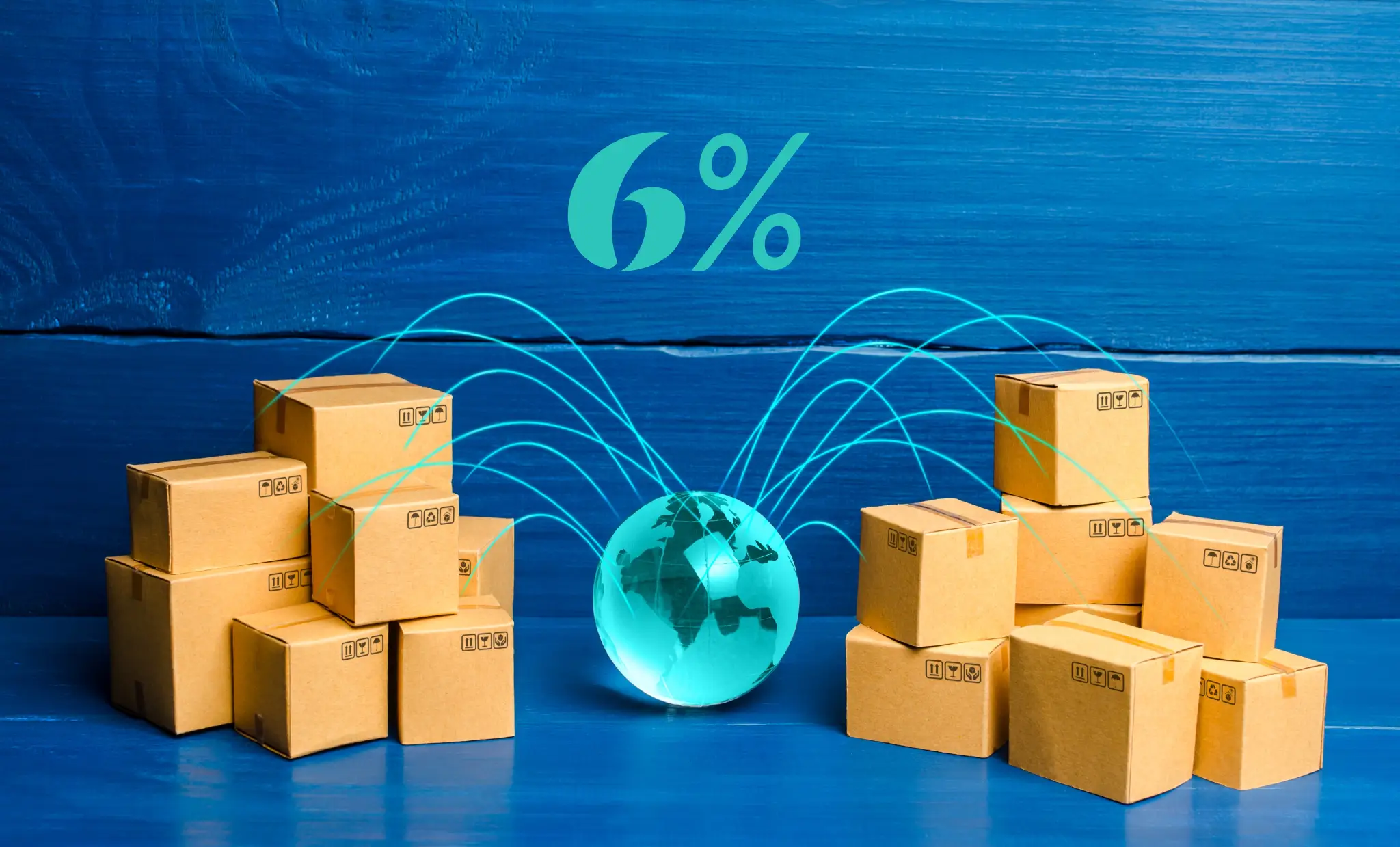
Most wholesale buyers feel they have a good handle on their supply chain. In reality, visibility is often far more limited than they think. Research shows that only 6% of companies have full visibility across their supply chain, meaning many procurement teams are making decisions without seeing the complete picture.
For EU buyers sourcing from multiple countries, this can quickly become a problem. A production delay, missing compliance document, or supplier issue may not come to light until it starts affecting delivery timelines.
By then, buyers are no longer preventing the problem. They are trying to manage the consequences. End-to-end visibility supply chain tools close this gap by giving buyers a live view of what is happening at every stage.
Buyers can track production progress, shipping status, and documentation completeness in one place rather than manually putting it together from supplier emails and freight forwarder updates.
The practical value is simple. Problems caught early cost less than problems identified late.
End-to-End Process Mapping Makes Compliance Part of Every Order
Compliance is not an option for EU procurement teams anymore, but an essential part of sourcing from the beginning. Based on the product category, buyers may need to verify certificates of origin, REACH documentation, EU Declarations of Conformity, product testing records, and VAT requirements.
These checks often depend on manual follow-up without a structured workflow. Documents can be missed, requested too late, or stored across multiple systems. End-to-end process mapping solves this issue. Each stage of the sourcing workflow carries predefined requirements. If a document is missing, the system flags it immediately, not after the shipment has already been booked.
This changes compliance from a manual task into a built-in process that works consistently across every transaction. It means EU buyers have lower compliance risk, fewer delays, and greater confidence when sourcing internationally.
End-to-End Manufacturing Transparency Strengthens Your Position
Most wholesale buyers only know what a supplier chooses to share. They have no independent view into production schedules, factory capacity levels, or whether the goods being manufactured actually match the approved sample specifications.
End-to-end manufacturing visibility changes this relationship. Platforms that connect to factory-level data, such as production milestones, pre-shipment inspection results, and output confirmations, give buyers a verified picture before large payments are released or shipping bookings are confirmed.
The commercial implications are real. A buyer who can see a factory’s current capacity utilisation negotiates from a stronger position than one who cannot. A buyer with verified inspection data does not need to arrange a separate third-party audit for every order.
E2E trade platforms that include manufacturing-stage data are becoming the standard that serious EU buyers expect. Suppliers who operate outside these systems are finding it increasingly difficult to compete for large wholesale contracts where visibility is a procurement requirement, not a preference.
Sustainability Is Becoming a Sourcing Requirement
European buyers are no longer evaluating suppliers based only on price and delivery capability.
Now, retailers and distributors want to know where products come from, how they are manufactured, and whether suppliers meet environmental and ethical standards.
This shift is being driven by growing regulatory requirements as well as customer expectations around responsible sourcing.
When evaluating suppliers, procurement teams are increasingly reviewing:
- Sustainability certifications
- Ethical production standards
- Material sourcing information
- Supply chain transparency documentation
- Environmental compliance records
For many businesses, supplier transparency is becoming part of long-term supplier qualification.
Trade platforms that centralise this information help buyers evaluate suppliers more efficiently while supporting broader compliance and sustainability objectives.
Don’t Guess Suppliers. Verify Everything
The hardest part of wholesale sourcing is not finding suppliers but having enough reliable, verified information to make the right decision before committing budget and time to an order.
The strongest EU wholesale trade platforms solve this by connecting every important part of the sourcing process into one workflow. The platform provides:
- Verified supplier profiles with credentials, compliance status, and quality documentation visible upfront.
- Integrated logistics covering freight, customs, and delivery.
- Real-time order tracking from production through to arrival.
- Centralised document management for certificates and inspection reports.
- Secure payment instruments with transparent records.
- Performance data on supplier reliability and pricing history.
For EU buyers, these are not convenience features. They reduce sourcing risk, surface problems earlier, and help procurement teams make faster decisions with greater confidence.
The best trade platforms do not just connect buyers with suppliers. They create a structured sourcing environment where buyers have the information they need, from the first search to the final delivery confirmation.
The Buyers Moving First Are Already Ahead
Sourcing is not getting simpler. EU compliance requirements are tightening. Supply chains are getting longer. Buyer expectations for speed and transparency are increasing.
The procurement teams managing this well in 2026 are not the ones with the largest budgets or the most staff. They are the ones who stopped treating sourcing, compliance, logistics, and payments as four separate problems and moved them into one connected end-to-end trade workflow.
zryya is built specifically for EU and Balkan wholesale buyers, making this move. Verified suppliers, compliance visibility, integrated logistics, and structured payment instruments, all connected inside one sourcing platform built for how cross-border European trade actually works.